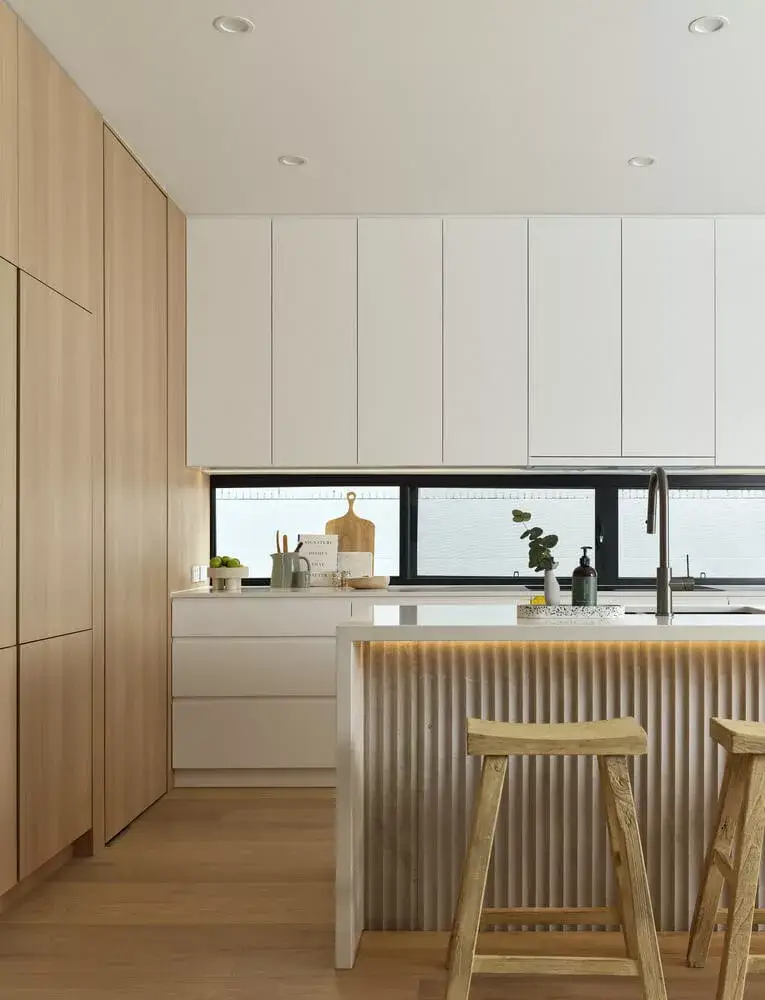
Engineered timber flooring has become an increasingly popular choice for homeowners and interior designers alike. It combines the natural beauty of wood with the practical benefits of modern manufacturing, offering a versatile and durable flooring solution that suits a wide range of design preferences and functional requirements. This comprehensive guide will delve into the various aspects of engineered timber flooring, providing insights into its construction, benefits, installation, and maintenance, along with expert tips and resources for those considering this sophisticated flooring option.
Understanding Engineered Timber Flooring
Engineered timber flooring is composed of multiple layers, typically featuring a top layer of real hardwood bonded over several layers of plywood or high-density fiberboard. This construction method enhances stability and reduces the risk of warping, making it suitable for areas with fluctuating temperatures and humidity levels.
Key Features of Engineered Timber Flooring
- Durability: The layered construction provides superior strength and stability compared to solid wood flooring.
- Versatility: Available in various finishes, textures, and colors to match diverse interior styles.
- Eco-Friendly: Utilizes less hardwood than traditional solid wood flooring, contributing to sustainable practices.
- Easy Installation: Options like click-lock systems simplify the installation process, making it accessible for DIY enthusiasts.
- Cost-Effective: Offers the luxurious appearance of hardwood at a more affordable price point.
Benefits of Choosing Engineered Timber Flooring
Engineered timber flooring provides a myriad of advantages that cater to both aesthetic desires and practical needs. These benefits position it as a preferred choice for residential and commercial settings.
Environmental Benefits
- Engineered timber utilizes less of the valuable hardwood resource, promoting sustainability.
- Reduced waste during manufacturing and installation contributes to a lower environmental impact.
Performance Benefits
- Enhanced resistance to moisture and temperature fluctuations, making it suitable for kitchens and basements.
- Reduced noise transmission compared to other flooring options, providing a quieter environment.
For in-depth knowledge and expert strategies on sustainable flooring options, discover expert strategies here.
Installation and Maintenance
The installation and upkeep of engineered timber flooring are crucial aspects that influence its longevity and performance. Proper techniques and regular maintenance ensure that the flooring remains beautiful and functional for years to come.
Installation Techniques
- Floating Installation: Ideal for DIY projects, this method involves connecting the planks over an underlay, without gluing or nailing them to the subfloor.
- Glue-Down Installation: Offers enhanced stability and is recommended for areas with higher foot traffic.
- Nail-Down Installation: Traditional method that provides a strong, secure fit, typically used with a wooden subfloor.
To learn about tailored solutions for installation, learn about our tailored solutions.
Maintenance Tips
- Regular sweeping or vacuuming to remove dirt and debris that can cause scratches.
- Using a damp mop with a cleaner specifically designed for hardwood floors to maintain the finish.
- Placing mats at entryways to reduce dirt and moisture from being tracked onto the floor.
- Avoiding the use of harsh chemicals or abrasive cleaners that can damage the surface.
For an advanced guide on maintaining the beauty of engineered timber flooring, explore advanced guides and tips.
Conclusion
Engineered timber flooring represents a fusion of elegance and practicality, offering a sustainable and stylish solution for modern interiors. Its adaptability, combined with a rich selection of finishes and textures, provides a flooring option that can complement any design aesthetic. By understanding the unique properties and advantages of engineered timber, homeowners and designers can make informed decisions that align with their environmental values and aesthetic goals. For those seeking further insights and resources, find out more about this approach.