The journey of motherhood is both transformative and challenging, encompassing profound physiological and emotional changes. Among these changes is the significant impact on the maternal microbiome, a critical yet often overlooked component of maternal and infant health. The microbiome, a complex community of microorganisms residing in the body, plays a pivotal role in various bodily functions, including metabolism, immunity, and even mental health. Ensuring a healthy microbiome during pregnancy and postpartum is essential for both the mother and the child, as it influences the baby”?s microbiome and overall health from birth.
Understanding the Maternal Microbiome
During pregnancy, a woman’s microbiome undergoes substantial changes. These changes are essential to accommodate the growing fetus and prepare the body for childbirth and breastfeeding. The maternal microbiome is not limited to the gut but includes the vaginal, oral, and skin microbiomes, each contributing uniquely to maternal and infant health.
- Gut Microbiome: Supports digestion and nutrient absorption, influencing the mother”?s energy levels and nutritional status.
- Vaginal Microbiome: Plays a crucial role in protecting against infections and is the first line of defense for the newborn during vaginal birth.
- Oral Microbiome: Affects oral health, which is linked to pregnancy outcomes such as preterm birth.
- Skin Microbiome: Influences skin health and can impact the infant”?s skin microbiome during skin-to-skin contact.
Impact on Infant Health
The infant’s first exposure to the maternal microbiome occurs during birth, with significant implications for the child’s health. This transmission influences the development of the infant”?s immune system, metabolism, and even brain function. A healthy maternal microbiome can help:
- Boost the Infant”?s Immune System: By seeding the infant”?s gut with beneficial bacteria, which are crucial for developing a robust immune response.
- Reduce Allergy and Asthma Risks: Proper microbial colonization can lower the risk of developing allergies, asthma, and other inflammatory conditions.
- Support Neurodevelopment: Certain gut bacteria are involved in producing neurotransmitters that influence brain development and mood regulation.
Nurturing a Healthy Microbiome
Dietary Considerations
Diet is a significant factor in shaping the maternal microbiome. Consuming a diverse and balanced diet rich in fiber, fermented foods, and prebiotics can enhance microbial diversity and health.
- Include plenty of fiber-rich foods such as fruits, vegetables, legumes, and whole grains.
- Incorporate fermented foods like yogurt, kefir, and sauerkraut to introduce beneficial bacteria.
- Opt for foods high in prebiotics, such as garlic, onions, and asparagus, to feed the beneficial bacteria.
Lifestyle Factors
In addition to diet, various lifestyle factors can influence the maternal microbiome. Regular physical activity, adequate sleep, and stress management are essential components of maintaining a healthy microbiome.
- Engage in moderate exercise, which has been shown to support microbial diversity.
- Ensure sufficient sleep, as lack of sleep can negatively affect microbiome health.
- Practice stress-reduction techniques such as meditation or yoga to maintain a balanced microbiome.
Supporting Maternal Microbiome Health
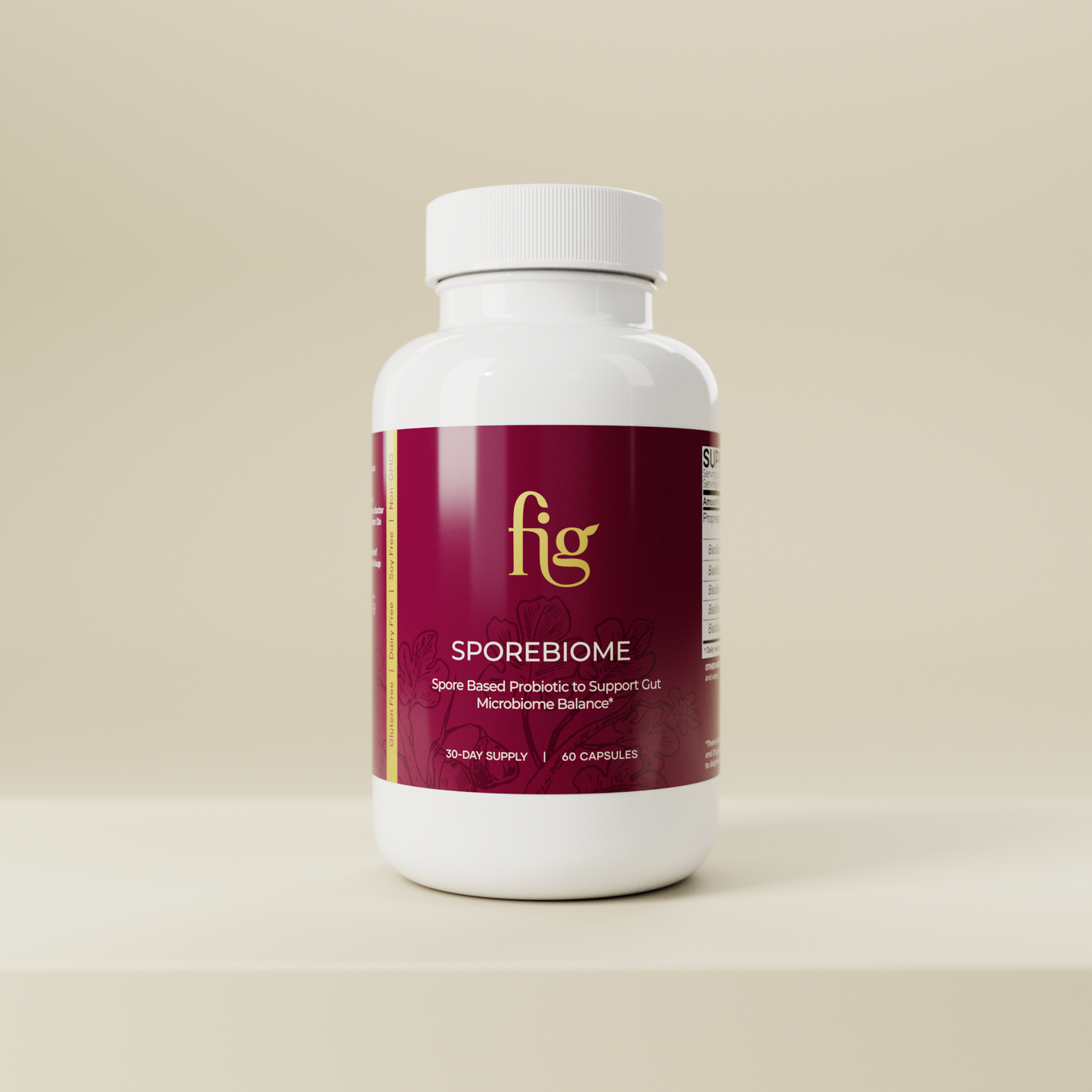
For mothers seeking to optimize their microbiome health, targeted probiotic supplements can be an effective tool. Products like Mama”?s Microbiome are designed to support the unique needs of pregnant and postpartum women, offering a tailored approach to nurturing both maternal and infant health.
Ultimately, understanding and nurturing the maternal microbiome is a vital aspect of promoting both maternal and infant health. Through dietary choices and lifestyle changes, mothers can significantly influence their microbiome and, consequently, the health of their children. While the journey of motherhood is unique for each woman, prioritizing microbiome health can lay the foundation for a healthy future for both mother and child.