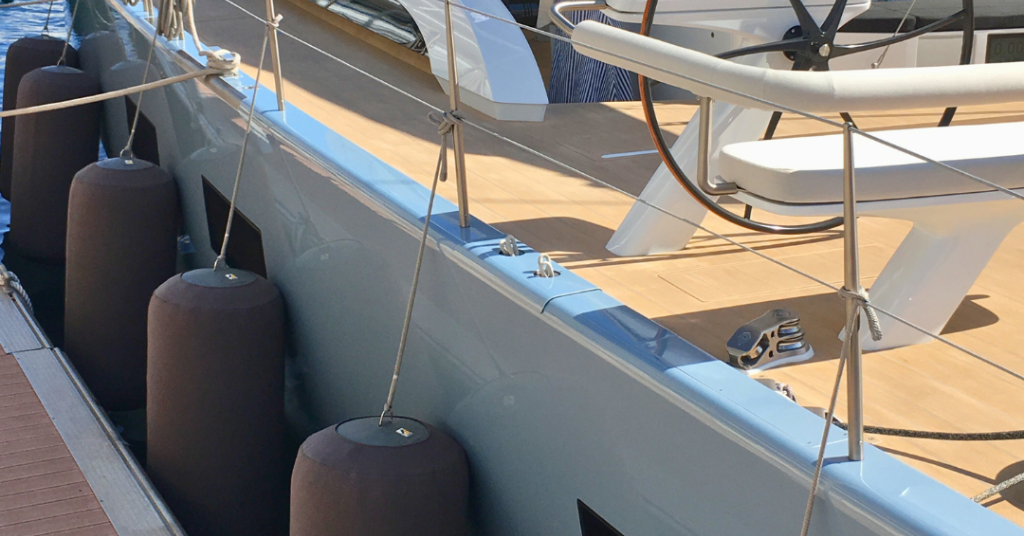
When it comes to safeguarding your boat against the inevitable bumps and scrapes of docking, choosing the right fender is crucial. One of the most popular choices for many boat owners is the 10×26 boat fenders. These fenders offer the perfect balance of size and protection for both small and medium-sized vessels. Understanding the nuances of fender selection can enhance the longevity and aesthetics of your boat. This guide aims to provide a comprehensive overview of how to choose the right boat fenders for optimal protection.
Understanding Boat Fenders
Boat fenders are essential marine accessories designed to protect your boat from damage caused by contact with docks, piers, or other vessels. The right fender absorbs the kinetic energy of a moving boat, preventing damage to the hull.
Types of Boat Fenders
- Cylindrical Fenders: These are the most common type and provide excellent protection for various boat sizes. They are versatile and can be used in a horizontal or vertical position.
- Round Fenders: Typically used for larger vessels, their spherical shape offers significant impact resistance.
- Specialty Fenders: These include corner fenders, which are used for specific docking configurations or to protect particular areas of the boat.
Choosing the Right Size
The size of the fender is a critical factor that determines its effectiveness. A fender that is too small may not provide adequate protection, while an oversized fender may be cumbersome.
Factors to Consider
- Length of the Boat: A general rule of thumb is to have one inch of fender diameter for every four to five feet of boat length.
- Docking Environment: Consider the conditions of your usual docking areas. For rough or tidal areas, larger or more robust fenders may be necessary.
- Boat Type and Hull Design: Different hull designs may require specific fender shapes or sizes to provide optimal protection.
Materials and Construction
High-quality materials and construction are vital for fender durability and effectiveness. The most common materials used include:
- Vinyl: Known for its durability and resistance to UV light and saltwater.
- Rubber: Offers excellent shock absorption but can be heavier than vinyl.
- Inflatable Fenders: Made from reinforced materials, these are lightweight and easy to store when not in use.
Additional Features
Modern boat fenders come with various features that enhance their functionality and ease of use:
- Adjustable Straps and Lines: Allow for easy positioning and securing of the fender.
- Reinforced Eyelets: Ensure the fender can withstand tension and pressure without tearing.
- Multiple Color Options: While aesthetics are secondary, matching fender colors with the boat can enhance its visual appeal.
Maintenance and Care
Regular maintenance and proper care extend the life of your fenders:
- Rinse fenders with fresh water after exposure to saltwater.
- Inspect for damage or wear and repair or replace as necessary.
- Store inflatable fenders deflated and in a dry place to prevent mold and mildew.
In conclusion, choosing the right 10×26 boat fenders involves understanding your boat’s specific needs and the conditions it will face. By taking into account the fender type, size, materials, and additional features, boat owners can ensure their vessels remain protected and in excellent condition. Regular maintenance and careful selection of fenders will not only safeguard the boat but also enhance the boating experience.