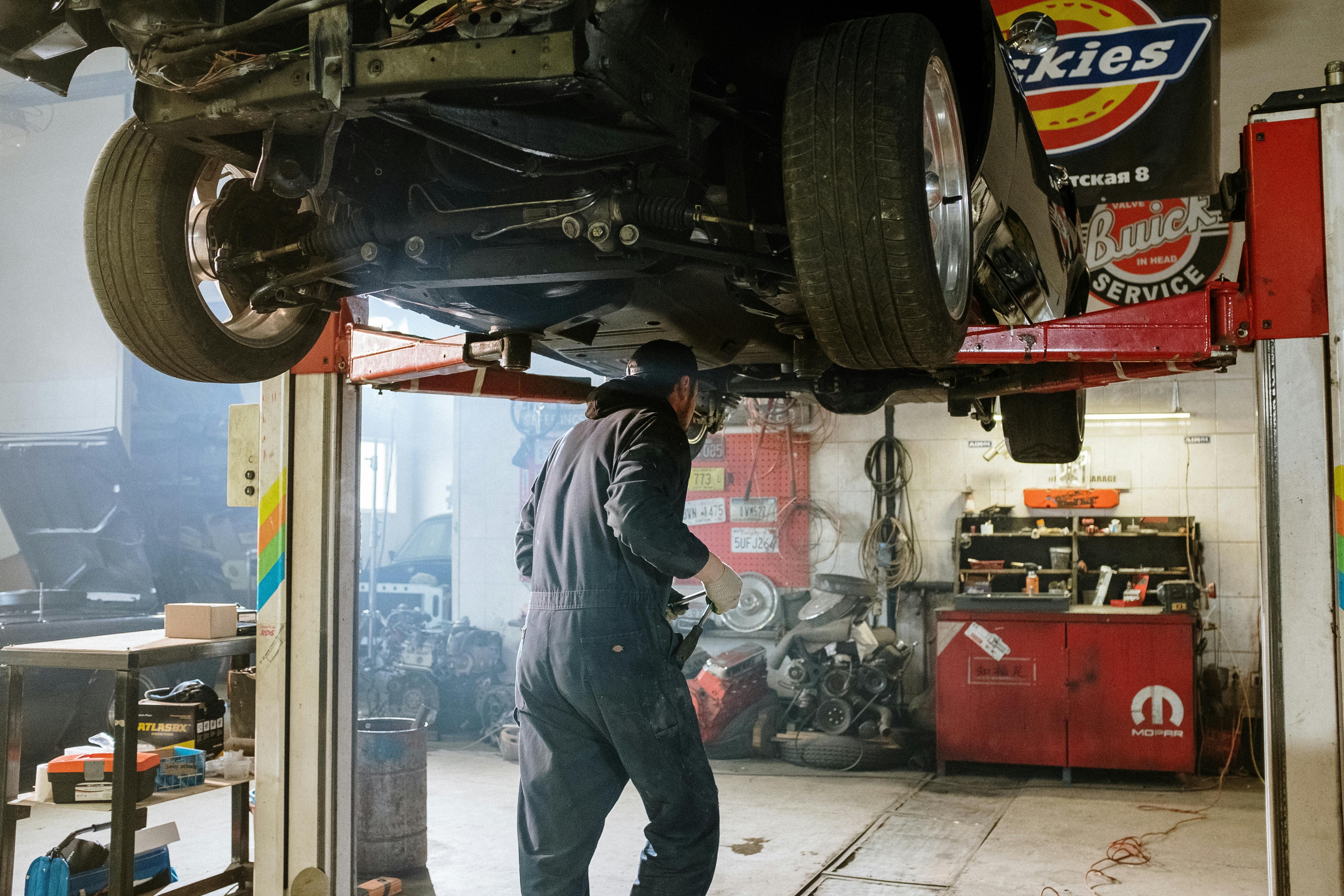
Transmission fluid service is an essential aspect of vehicle maintenance, yet it is often overlooked by many vehicle owners. This service plays a critical role in ensuring the longevity and efficiency of a vehicle’s transmission system. Transmission fluid acts as a lubricant, coolant, and a hydraulic fluid that helps in the smooth operation of the gears. Over time, the fluid can degrade or become contaminated, leading to potential transmission issues. Understanding the importance of regular transmission fluid service, its benefits, and the process involved can help vehicle owners maintain optimal performance and avoid costly repairs.
Why Transmission Fluid Service is Important
Transmission fluid service is vital for several reasons:
- **Prevents Overheating**: The fluid helps in dissipating heat generated from friction and prevents the transmission from overheating.
- **Ensures Smooth Gear Shifts**: It provides the necessary lubrication for the gears to shift smoothly, reducing wear and tear.
- **Extends Transmission Life**: Regular service ensures contaminants are removed, preventing potential damage to the transmission system.
Regular maintenance can help prevent these issues and extend the lifespan of your transmission. Explore further insights here on why regular fluid checks are crucial.
When to Service Your Transmission Fluid
Determining when to service your transmission fluid depends on several factors, including vehicle type, driving conditions, and the manufacturer’s recommendations.
Manufacturer’s Recommendations
Most manufacturers provide guidelines on when to change the transmission fluid. These guidelines can be found in the vehicle’s owner’s manual and typically suggest changing the fluid every 30,000 to 60,000 miles. However, this can vary based on the vehicle make and model. Find additional information here to determine the best intervals for your vehicle.
Signs of Transmission Fluid Issues
Even if you follow the manufacturer”?s guidelines, certain signs may indicate the need for a transmission fluid service sooner:
- **Unusual Noises**: Grinding or whining noises may suggest fluid-related issues.
- **Delayed Gear Engagement**: If there’s a delay when shifting gears, it could be due to low or degraded fluid.
- **Burning Smell**: This could indicate overheating due to old or insufficient fluid.
In case these signs are evident, it is advisable to have your vehicle inspected by a professional. Learn more in this detailed guide about identifying transmission issues early.
The Transmission Fluid Service Process
The process of changing transmission fluid typically involves several steps:
- **Draining the Old Fluid**: The old fluid is drained from the transmission system to remove any contaminants.
- **Replacing the Fluid Filter**: A new filter is installed to ensure clean fluid circulates throughout the system.
- **Refilling with New Fluid**: New, clean fluid is added to restore optimal functioning.
- **Checking for Leaks**: Any potential leaks are checked and repaired to prevent future issues.
Each of these steps is crucial to ensure that the transmission system operates efficiently. Read more about this topic to understand the in-depth process involved in a professional transmission fluid change.
Conclusion
Regular transmission fluid service is an integral component of vehicle maintenance that ensures the smooth and efficient operation of your vehicle. By understanding the significance of this service, recognizing the signs of fluid issues, and adhering to recommended service intervals, vehicle owners can avoid costly repairs and extend the life of their transmission systems. For a comprehensive understanding of transmission maintenance, explore further insights here.