Embarking on the journey of ceramics can be as rewarding as it is intricate. One of the essential components in the toolkit of any ceramic enthusiast is kiln paper. This often-overlooked material is a game-changer for those looking to step up their ceramic game. Whether you are a novice potter or an experienced artisan, understanding the nuances of kiln paper can significantly enhance your craft. This guide will explore the fundamentals of kiln paper, its benefits, and strategies for its effective use, helping you achieve superior results in your ceramic projects.
What is Kiln Paper?
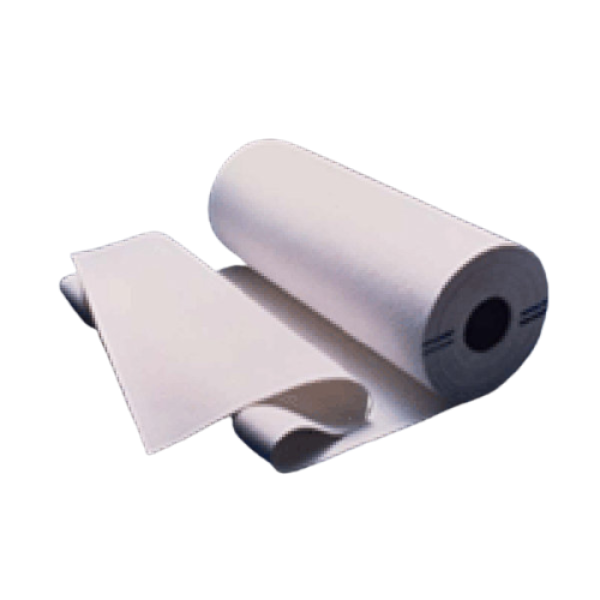
Kiln paper, also known as fiber paper or shelf paper, is a versatile material used in kilns to protect ceramic pieces during firing. It serves as a barrier between the ceramic piece and the kiln shelf, preventing glaze drips and unwanted fusing. This thin layer of paper ensures that the kiln shelf remains clean and reduces the chances of cracking or warping during the firing process.
Benefits of Using Kiln Paper
- Prevents Sticking: Kiln paper acts as a non-stick surface, ensuring that ceramics can be easily removed post-firing.
- Reduces Cleaning: By protecting the kiln shelf from glaze drips, kiln paper minimizes the need for extensive cleaning.
- Enhances Quality: The use of kiln paper can lead to a smoother finish on the underside of ceramic pieces, enhancing overall quality.
How to Use Kiln Paper Effectively
To maximize the benefits of kiln paper, it’s crucial to use it correctly. Here are some expert strategies to consider:
Choosing the Right Kiln Paper
Not all kiln papers are created equal. Selecting the appropriate type for your specific project is vital. Find out more about this approach to ensure you are using the right kiln paper for your needs.
Proper Placement
- Ensure the kiln paper is flat and free of wrinkles to prevent imperfections on your ceramic pieces.
- Trim excess paper to fit the kiln shelf precisely, avoiding overlaps that can lead to uneven firing.
Temperature Considerations
Kiln paper can withstand high temperatures, but it’s essential to be aware of its limits. Overfiring can cause the paper to degrade, potentially affecting the quality of your ceramics. Explore advanced guides and tips for managing kiln temperatures effectively.
Common Mistakes to Avoid
Even experienced ceramicists can make mistakes when using kiln paper. Here are some common pitfalls to watch out for:
- Using Old Paper: Reusing kiln paper can lead to contamination and uneven surfaces. Always use fresh paper for best results.
- Incorrect Thickness: Using kiln paper that is too thick can affect heat distribution, leading to uneven firing.
- Overlapping Sheets: Overlapping kiln paper may cause marks on your ceramics. Ensure sheets are arranged without overlaps.
By understanding these potential issues and how to mitigate them, you can enhance the quality of your ceramic creations.
Conclusion
Integrating kiln paper into your ceramic practice can lead to significant improvements in your work quality and process efficiency. By taking the time to understand and apply the correct techniques, you can protect your kiln shelves, ensure smoother finishes, and reduce post-firing clean-up. For those looking to delve deeper into the world of kiln paper, discover expert strategies here and learn about our tailored solutions to elevate your ceramic craft. With the right knowledge and tools, stepping up your ceramic game is well within reach.