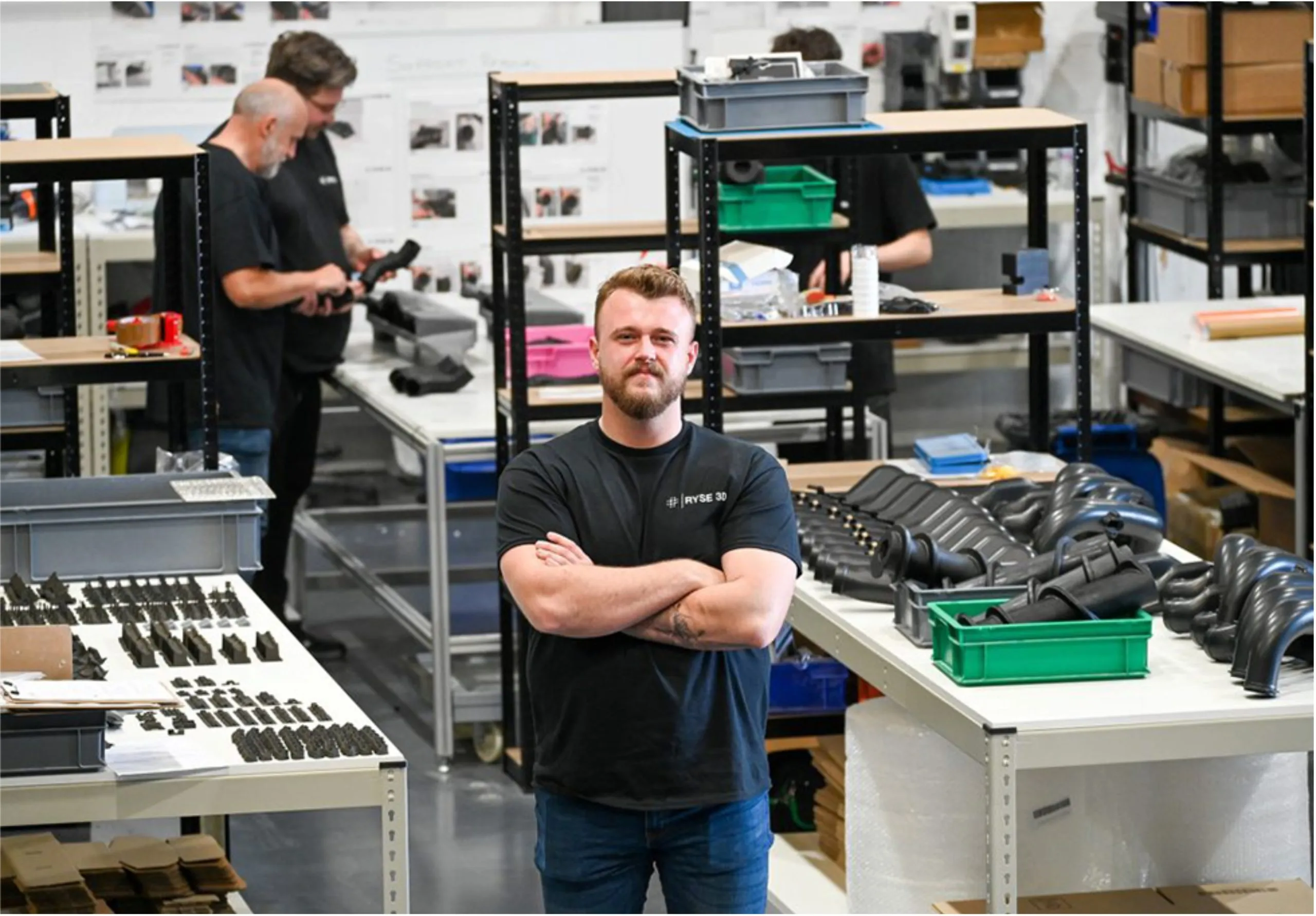
In the realm of product development, prototype manufacturing serves as a critical step in transforming ideas into tangible products. Prototypes enable designers and engineers to evaluate the form, fit, and function of a product before it enters full-scale production. This iterative process helps in identifying potential design flaws and ensures that the final product meets all necessary specifications. As industries continue to innovate and technology advances, the demand for reliable prototype manufacturing services has grown exponentially.
The Importance of Prototype Manufacturing
Prototyping is an essential phase in the product development lifecycle, offering several key benefits:
- **Validation of Design Concepts**: Prototypes provide a physical representation of a concept, allowing designers to validate their ideas and make informed decisions.
- **Identification of Design Flaws**: By creating a prototype, developers can detect and address design issues early, reducing the risk of costly changes later in the production process.
- **Facilitating Stakeholder Feedback**: Prototypes serve as a valuable communication tool, enabling stakeholders to provide input and feedback before finalizing the design.
For more insights, explore further insights here.
Types of Prototype Manufacturing Services
Depending on the nature of the product and its intended use, different types of prototype manufacturing services are available:
Rapid Prototyping
Rapid prototyping involves the quick fabrication of a physical model using three-dimensional computer-aided design (CAD) data. It is widely used in various industries as it allows for fast and cost-effective testing of new designs. Learn more in this detailed guide.
CNC Machining
CNC machining is a subtractive manufacturing process that uses computerized controls to operate and manipulate machine tools. This method is ideal for creating precise and high-quality prototypes from a variety of materials. Read more about this topic.
3D Printing
3D printing, or additive manufacturing, constructs objects layer by layer using various materials, such as plastics, metals, and resins. It is highly versatile and suitable for producing complex geometries. Find additional information here.
Factors to Consider When Choosing a Prototype Manufacturing Service
Selecting the right prototype manufacturing service is crucial to the success of a project. Consider the following factors:
- **Material Requirements**: Ensure the service can handle the specific materials needed for the prototype.
- **Production Speed**: Evaluate the speed at which the service can deliver prototypes, particularly if time-to-market is a priority.
- **Cost Efficiency**: Analyze the cost implications of different prototyping methods and choose one that aligns with the budgetary constraints.
- **Quality Assurance**: Look for services that offer robust quality control measures to ensure prototype accuracy and precision.
Learn more about these considerations and how they can impact your project.
The Future of Prototype Manufacturing
As technology continues to evolve, prototype manufacturing is expected to become even more sophisticated and efficient. Innovations in materials science, automation, and digital manufacturing are paving the way for more advanced prototyping techniques. These advancements are likely to result in faster production times, improved material properties, and more sustainable manufacturing practices. To stay updated with these trends, explore further insights here.
Prototype manufacturing is an indispensable component of modern product development. By leveraging advanced technologies and choosing the right service, businesses can streamline their design processes, reduce time to market, and ensure the successful launch of innovative products. Whether through rapid prototyping, CNC machining, or 3D printing, the right approach can significantly enhance a product’s development journey.