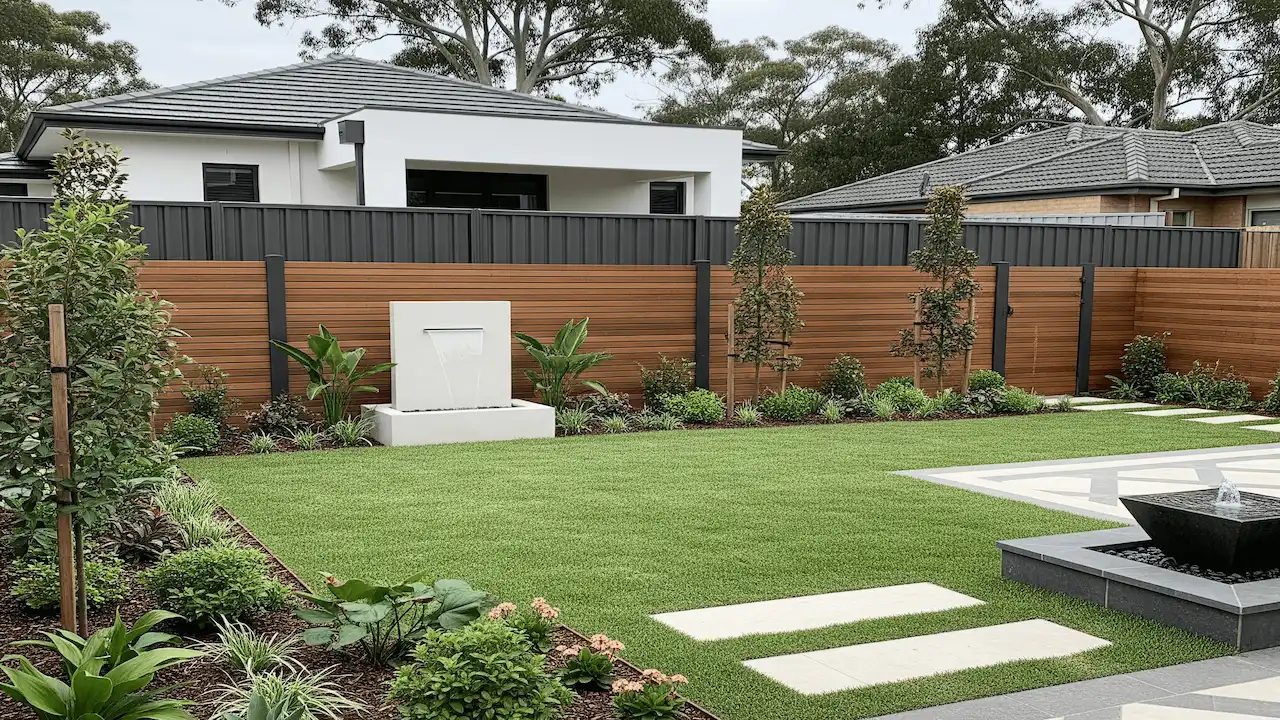
Creating a stunning outdoor space requires not just vision, but also expertise in professional garden design. As the desire for personalized outdoor environments grows, the need for proficient garden design services becomes paramount. These services transform mundane yards into captivating landscapes that reflect individual style and enhance property value. With an emphasis on integrating functionality with aesthetic appeal, expert garden designers offer a comprehensive approach to crafting outdoor spaces that are both beautiful and sustainable.
The Importance of Professional Garden Design
Professional garden design services bring a blend of creativity and technical know-how that ensures the successful realization of a landscape project. Key benefits of engaging such services include:
- Customized Designs: Tailored to meet specific needs and preferences, ensuring that each garden is unique.
- Efficient Space Utilization: Optimizing the use of available space to create functional and visually appealing layouts.
- Sustainable Practices: Incorporating eco-friendly techniques to promote environmental health and resource efficiency.
For those looking to transform their outdoor spaces, it is crucial to explore advanced guides and tips on integrating both beauty and functionality.
Key Elements of Garden Design
Understanding the Landscape
A successful garden design begins with a thorough understanding of the landscape. This involves evaluating the natural elements such as soil quality, climate, and existing vegetation. Professionals often conduct detailed assessments to tailor designs that harmonize with the surrounding environment. To learn more about these tailored solutions, discover expert strategies here.
Designing for Aesthetic Appeal
Aesthetic appeal is a cornerstone of garden design. It involves the strategic placement of plants, structures, and water features to create a cohesive and visually pleasing environment. Key considerations include:
- Color Schemes: Selecting plant colors that complement each other and align with the desired theme.
- Texture and Form: Using varied plant textures and forms to add depth and interest.
- Focal Points: Creating visual anchors such as sculptures or unique plants to draw the eye.
Integrating aesthetic elements effectively can be explored further by learning about tailored solutions that enhance the visual appeal of gardens.
Incorporating Functional Features
Functionality is as important as beauty in garden design. A well-designed garden should not only please the eye but also serve practical purposes. Key functional features include:
- Pathways: Designing walkways that guide visitors through the garden while protecting delicate plants.
- Seating Areas: Creating comfortable spaces for relaxation and social interaction.
- Lighting: Installing lighting solutions that enhance safety and extend usability into the evening.
Professionals can provide insights into incorporating these elements seamlessly, ensuring that the garden is both practical and aesthetically pleasing. Find out more about this approach to integrate functionality into your garden design.
Maintaining Beautiful Outdoor Spaces
Once a garden is designed and implemented, ongoing maintenance is vital to preserve its beauty and functionality. Regular care involves:
- Pruning and Trimming: Keeping plants healthy and well-shaped.
- Soil Management: Ensuring soil fertility through composting and mulching.
- Pest Control: Implementing eco-friendly measures to protect plants from pests.
Professional garden design services often include maintenance plans that are crucial for sustaining the health and beauty of the landscape. Explore advanced guides and tips on maintaining exquisite outdoor spaces.