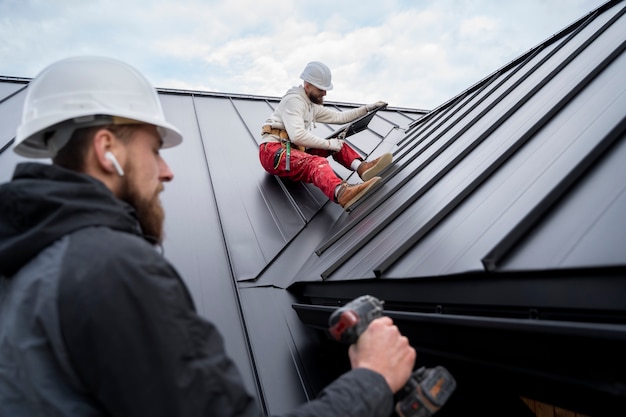
When a property owner decides to upgrade to a metal roof, the choice of installer can make the difference between a project that simply meets code and one that delivers lasting performance, energy efficiency, and curb appeal. Local metal roof installers bring a blend of regional knowledge, skilled craftsmanship, and access to high-quality materials that ensure each installation is tailored to the specific climate and architectural style of the area. Understanding the factors that set professional installers apart helps homeowners make informed decisions and protect their investment for decades.
Why Choose Professional Metal Roof Installers?
Professional installers offer several advantages that go beyond basic installation:
- Technical Expertise: Certified installers are trained to handle the unique challenges of metal roofing, such as thermal expansion, proper fastening, and weatherproof sealing.
- Material Knowledge: They can recommend the most suitable metal type, galvanized steel, aluminum, copper, or zinc, based on durability, aesthetics, and budget.
- Local Code Compliance: Familiarity with regional building codes ensures that every roof meets safety and performance standards.
- Warranty Assurance: Reputable installers often back their work with comprehensive warranties, providing peace of mind for homeowners.
Key Steps in a Quality Metal Roof Installation
1. Comprehensive Site Evaluation
A thorough inspection assesses the existing structure, identifies any needed repairs, and determines the best ventilation strategy. This step lays the groundwork for a roof that performs optimally over time.
2. Precise Material Selection
Choosing the right profile and coating is essential. Options range from standing-seam panels for sleek modern homes to corrugated sheets for a classic look. The installer will guide the selection based on climate resistance, longevity, and visual preferences.
3. Accurate Layout and Fastening
Proper alignment and spacing of panels prevent water infiltration and reduce noise. Fasteners are installed with the correct torque and placement to accommodate metal’s expansion and contraction.
4. Seam Sealing and Flashing
High-quality sealants and custom flashings protect vulnerable areas around chimneys, skylights, and roof penetrations. This step is critical for maintaining the roof’s watertight integrity.
5. Final Inspection and Clean-Up
After installation, a detailed walk-through verifies that all seams are sealed, fasteners are secure, and the roof meets performance expectations. The site is left clean, with debris removed and the property ready for use.
Benefits of Metal Roofing for Homeowners
- Energy Efficiency: Reflective metal surfaces reduce cooling costs by up to 25% in hot climates.
- Longevity: Properly installed metal roofs can last 50 years or more, outlasting traditional asphalt shingles.
- Environmental Impact: Metal is 100% recyclable, and many products contain recycled content.
- Fire Resistance: Metal roofs are non-combustible, offering added protection in wildfire-prone areas.
Choosing the Right Installer
Finding a qualified professional involves more than a quick internet search. Consider the following criteria:
- Certification and licensing specific to metal roofing.
- Portfolio of recent metal roof projects in the local area.
- Transparent pricing and detailed written estimates.
- Positive customer feedback and verified reviews.
For a deeper dive into the selection process, Discover expert strategies here. This resource outlines the steps to evaluate contractors and understand the nuances of metal roof installation.
Cost Considerations and ROI
While the upfront cost of a metal roof can be higher than traditional options, the long-term savings often justify the investment. Factors influencing cost include:
- Material type and thickness.
- Roof pitch and complexity of the architectural design.
- Labor rates of experienced installers.
- Additional features such as insulation upgrades or solar panel integration.
According to industry data, homeowners typically recoup the additional expense within 7-10 years through reduced energy bills and lower maintenance costs.
Customer Experience and Feedback
Real-world experiences provide valuable insight into the quality of service and workmanship. Check out customer reviews here: customer reviews on the GBP page. Positive testimonials often highlight punctuality, clean work sites, and thorough explanations of the installation process.
Getting Started with Your Metal Roof Project
Taking the first step toward a metal roof begins with a consultation. During this meeting, the installer will assess the property, discuss material options, and present a detailed proposal.
To explore tailored solutions and see examples of successful installations, Learn about our tailored solutions. This guide offers case studies and design inspiration for various home styles.
For additional resources, including maintenance tips and warranty information, Explore advanced guides and tips. These materials help homeowners protect their investment and maximize the lifespan of their metal roof.
Conclusion
Choosing a local metal roof installer who combines technical skill, material expertise, and a commitment to quality ensures that a metal roof will serve a home efficiently and attractively for decades. By evaluating credentials, reviewing past projects, and considering long-term benefits, homeowners can confidently embark on a roofing upgrade that enhances property value, reduces energy costs, and stands up to the elements.