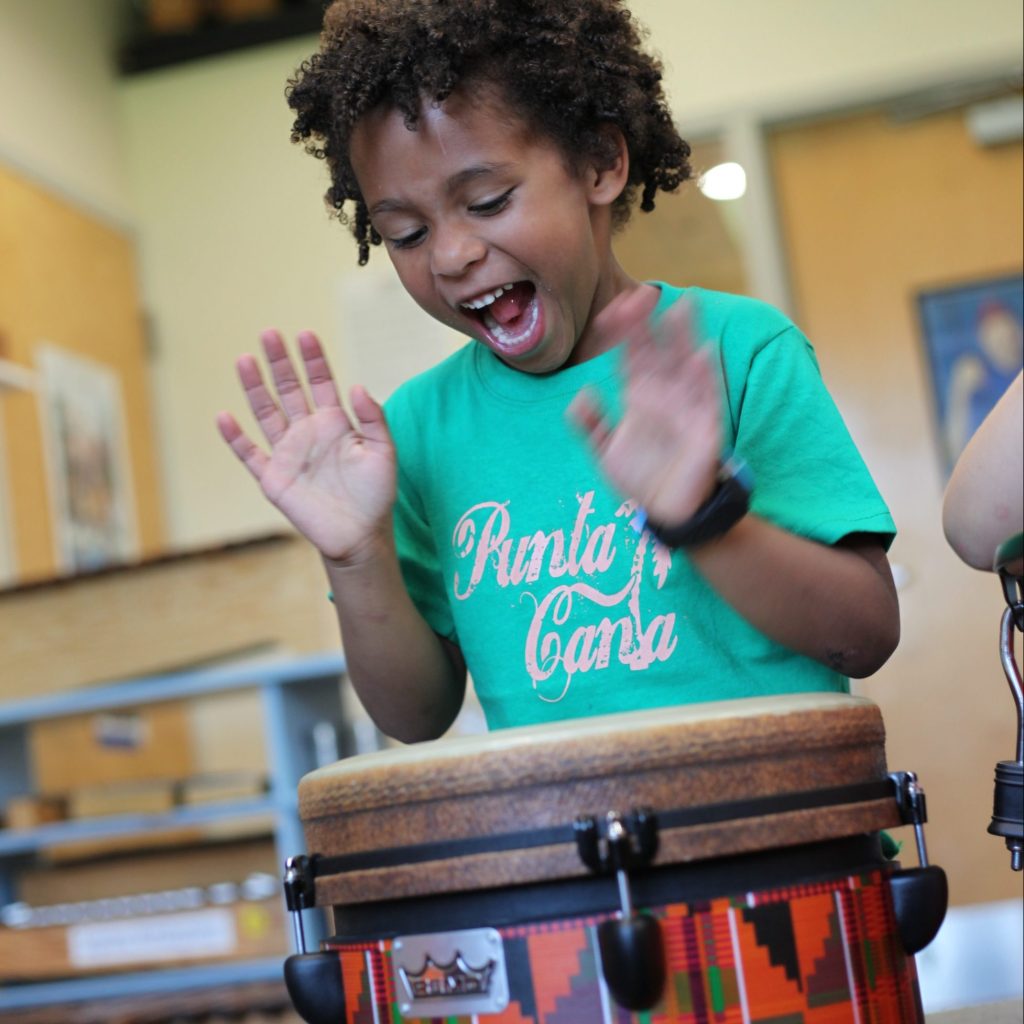
Engaging in collaborative art projects can be a transformative experience for individuals of all ages. These projects not only foster creativity but also encourage teamwork, communication, and problem-solving skills. Whether it is through painting, music, theater, or digital media, collaborative art allows participants to express themselves while learning from one another. By embracing different perspectives and talents, individuals can create something truly unique and impactful. The process of working together on art projects can deepen understanding and appreciation for diverse viewpoints, making it a vital component of holistic education.
The Benefits of Collaborative Art Projects
Collaborative art projects offer numerous benefits that extend beyond the immediate creation of art. These projects:
- Enhance creativity by combining diverse ideas and techniques.
- Foster teamwork and improve communication skills.
- Develop critical thinking and problem-solving abilities.
- Encourage empathy and understanding among participants.
- Provide a platform for self-expression and personal growth.
By engaging in these projects, participants can gain skills that are valuable in both personal and professional contexts. Discover expert strategies here to maximize these benefits.
Types of Collaborative Art Projects
Visual Arts
Visual arts projects, such as murals or community art installations, allow participants to work collectively on large-scale artworks. These projects can beautify public spaces and convey powerful messages. Participants often experience a sense of pride and accomplishment when seeing their collective efforts come to life. Learn about our tailored solutions for engaging in visual arts collaborations.
Performing Arts
In the realm of performing arts, collaborative projects like theater productions or dance ensembles bring together individuals with various talents. These projects require coordination and rehearsal, fostering discipline and enhancing performance skills. Participants develop a deep sense of camaraderie as they work towards a shared goal. Explore advanced guides and tips for successful performing arts collaborations.
Digital Media
With the rise of technology, digital media projects have become increasingly popular. Collaborative efforts in film-making, animation, or digital storytelling offer exciting opportunities for creativity and innovation. These projects often involve diverse roles, from scriptwriting to editing, allowing participants to learn new skills and contribute in unique ways. Find out more about this approach to digital media collaborations.
Implementing Collaborative Art Projects
Successfully implementing collaborative art projects requires thoughtful planning and execution. Here are some strategies to consider:
- Define clear objectives and goals for the project.
- Select a project that aligns with participants’ interests and skills.
- Facilitate open communication and active participation.
- Encourage flexibility and adaptability throughout the process.
- Provide resources and support to enhance creativity and execution.
By following these strategies, collaborative art projects can achieve their full potential and provide rewarding experiences for all involved. Discover expert strategies here for effective project implementation.
Conclusion
Collaborative art projects hold the potential to enrich individuals’ lives through enhanced creativity, improved communication, and stronger teamwork skills. By engaging in such endeavors, participants not only create meaningful art but also build lasting relationships and develop valuable life skills. Embracing the power of collaboration in the arts can lead to profound personal growth and community enrichment. Find out more about this approach and unlock the transformative power of collaborative art projects.