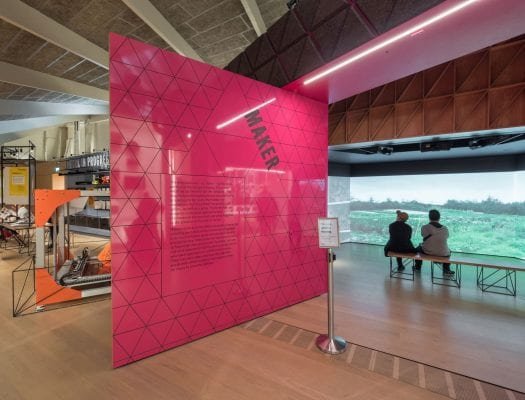
Decorative surfaces play a pivotal role in transforming the aesthetic appeal of interior spaces. By integrating various elements like color, texture, and pattern, these surfaces can significantly enhance the visual and tactile experience of a room. In the realm of interior design, the thoughtful application of these elements is crucial in creating environments that are not only functional but also visually captivating. Whether aiming to evoke warmth through earthy hues or introduce dynamic energy with bold patterns, understanding the interplay of color, texture, and pattern is essential for achieving desired design outcomes.
The Role of Color in Decorative Surfaces
Color is one of the most impactful elements in design, capable of influencing mood, perception, and even the perceived size of a space. When selecting colors for decorative surfaces:
- Consider the psychological effects of color. For instance, blues and greens often evoke calmness, while reds and oranges can energize a space.
- Balance bold colors with neutral tones to prevent overwhelming a space.
- Use color to define areas within open-plan spaces. Different hues can delineate zones without physical barriers.
For a more comprehensive understanding of color theory and its application in interior design, read more about this topic.
Texture: Adding Depth and Interest
Texture provides a sensory experience by adding depth and dimension to a space. It is a key component in making a room feel more dynamic and engaging. Key considerations for incorporating texture include:
- Mixing textures to create contrast and interest. For instance, pair smooth, glossy surfaces with rough, matte finishes.
- Using texture to add warmth and coziness, particularly in minimalist or industrial spaces.
- Incorporating natural materials like wood or stone to introduce organic textures that resonate with many design styles.
Learn more in this detailed guide on how to effectively use texture in interior design by visiting this detailed guide.
Patterns: Creating Visual Rhythm and Movement
Patterns can introduce movement and rhythm to a space, guiding the eye and creating a narrative within a room. When incorporating patterns:
- Choose patterns that complement the overall design theme. For example, geometric patterns suit modern styles, while floral patterns align with traditional aesthetics.
- Consider the scale of patterns. Large patterns can make a bold statement, while smaller patterns can add subtle interest.
- Use patterns strategically to highlight architectural features or to create focal points.
To explore further insights into the effective use of patterns, explore further insights here.
Integrating Color, Texture, and Pattern
The true art of decorative surfaces lies in the harmonious integration of color, texture, and pattern. To achieve a cohesive design:
- Ensure balance by coordinating color schemes with complementary textures and patterns.
- Maintain a consistent theme that ties all elements together, whether it be modern, rustic, or eclectic.
- Experiment with different combinations to find the right mix that enhances the space’s functionality and aesthetic appeal.
For additional information and inspiration on integrating these elements, find additional information here.
In conclusion, enhancing decorative surfaces through the strategic use of color, texture, and pattern is a powerful way to transform any space. By understanding and applying these elements effectively, one can create environments that are not only beautiful but also tailored to meet specific functional and aesthetic needs. Whether it’s a residential setting or a commercial space, the right combination of these design elements can make all the difference.