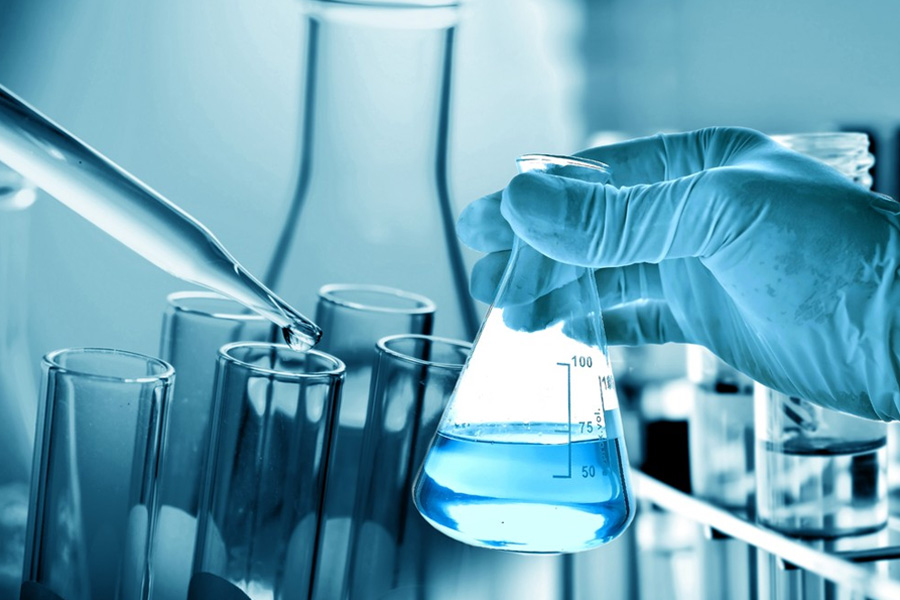
Water analysis laboratories play a pivotal role in safeguarding public health, protecting the environment, and supporting industrial processes. Consistent, accurate test outcomes depend on adherence to rigorous standards that govern everything from sample collection to data reporting. By following internationally recognized protocols and implementing robust quality-control measures, laboratories can deliver reliable results that stakeholders trust. This article outlines the key standards and best practices that ensure water testing remains precise, repeatable, and compliant with regulatory expectations.
Core International Standards for Water Testing
Several organizations provide frameworks that define how water analysis should be performed. The most widely adopted include:
- ISO/IEC 17025 – General requirements for the competence of testing and calibration laboratories.
- EPA Method 160.1 – Standard procedures for measuring total coliform bacteria.
- APHA Standard Methods – Comprehensive guidebooks covering microbiological, chemical, and physical analyses.
- WHO Guidelines for Drinking-Water Quality – Health-based recommendations that inform national standards.
Understanding these documents helps laboratories align their operations with globally accepted benchmarks, facilitating cross-border data comparison and regulatory compliance.
Key Elements of ISO/IEC 17025
- Documented quality-management system covering all laboratory activities.
- Competence of personnel demonstrated through training records and proficiency testing.
- Calibration and maintenance of equipment according to traceable standards.
- Validation of test methods to confirm accuracy, precision, and detection limits.
- Regular internal audits and management reviews to drive continual improvement.
Implementing these elements creates a solid foundation for reliable water analysis and enables laboratories to earn accreditation that clients and regulators recognize.
Sample Collection and Preservation Best Practices
Accurate results begin long before an analysis is performed. Improper sampling can introduce errors that no amount of sophisticated instrumentation can correct.
- Use appropriate containers: Glass for organic compounds, polyethylene for metals, and sterile bottles for microbiology.
- Maintain chain-of-custody documentation: Record who collected, transported, and received each sample.
- Control temperature: Keep samples at 4 °C for most analyses; freeze only when specifically required.
- Preserve chemicals immediately: Add acidifiers for metal analysis or sodium thiosulfate for chlorine to prevent reactions.
- Minimize holding time: Analyze within the holding periods defined by the relevant standard.
Guidelines such as those found on Discover expert strategies here. provide detailed protocols that help laboratories avoid common sampling pitfalls.
Method Validation and Performance Verification
Before a method can be routinely applied, it must be validated to demonstrate that it meets the required performance criteria. Validation involves assessing:
- Accuracy – Comparison with reference materials or certified standards.
- Precision – Repeatability (same analyst, same equipment) and reproducibility (different analysts/equipment).
- Detection and quantification limits – The smallest concentrations that can be reliably measured.
- Specificity – Ability to distinguish the analyte from interferences.
- Robustness – Sensitivity of the method to small variations in experimental conditions.
Ongoing performance verification through proficiency testing schemes and internal quality-control samples ensures that the method continues to deliver trustworthy data over time.
Data Management and Reporting
Accurate data handling is essential for traceability and regulatory acceptance. Laboratories should implement electronic laboratory information management systems (LIMS) that provide:
- Secure storage of raw data, calibration records, and analytical reports.
- Automated audit trails that record every modification.
- Standardized report templates that include method details, detection limits, and uncertainty estimates.
- Integration with statistical tools for trend analysis and outlier detection.
For further guidance on creating compliant reports, Explore advanced guides and tips. offers practical examples that align with ISO/IEC 17025 documentation requirements.
Quality Assurance Programs
A comprehensive quality-assurance (QA) program ties together all aspects of laboratory operations. Effective QA programs typically feature:
- Scheduled proficiency testing with external providers.
- Routine internal QC checks using control samples at multiple concentration levels.
- Root-cause analysis procedures for investigating out-of-specification results.
- Continuous training programs to keep staff updated on emerging standards and technologies.
- Management review meetings that assess QA metrics and define corrective actions.
Implementing a robust QA framework not only improves data reliability but also demonstrates a laboratory’s commitment to excellence, a factor often highlighted in accreditation assessments.
Regulatory Compliance and Accreditation
Many jurisdictions require water testing laboratories to hold specific certifications before they can issue official results. Common pathways include:
- Accreditation to ISO/IEC 17025 by national bodies such as ANSI (USA), UKAS (UK), or DAkkS (Germany).
- State or provincial licensing for drinking-water testing.
- Compliance with sector-specific regulations, e.g., EPA’s Safe Drinking Water Act or the EU Water Framework Directive.
Maintaining accreditation involves periodic surveillance audits, submission of proficiency test results, and evidence of continual improvement. Detailed checklists and guidance documents are available at Find out more about this approach., helping laboratories stay ahead of evolving regulatory expectations.
Conclusion
Adhering to established water analysis laboratory standards is essential for producing reliable, defensible test outcomes. By integrating internationally recognized protocols, rigorous sample handling, validated methods, robust data management, and comprehensive quality-assurance programs, laboratories can meet the high expectations of regulators, clients, and the public. Continuous investment in staff training, equipment calibration, and accreditation upkeep ensures that water testing remains a trusted pillar of environmental protection and public health.