Optimizing performance on the field or in the gym demands more than just rigorous training; it requires a strategic approach to nutrition that fuels energy, supports recovery, and sustains long-term health. Sports nutrition supplements have become essential tools for athletes seeking to bridge the gap between diet and demand. By selecting scientifically backed ingredients and timing their intake correctly, athletes can enhance endurance, accelerate muscle repair, and maintain mental focus throughout competition. This article explores the most effective categories of supplements, practical usage guidelines, and evidence-based recommendations for achieving peak performance.
Core Energy-Boosting Supplements
Carbohydrate Powders and Gels
During high-intensity activities, glycogen stores deplete rapidly. Fast-acting carbohydrate supplements help maintain blood glucose levels, delaying fatigue.
- Simple sugars (e.g., glucose, maltodextrin) for rapid absorption.
- Complex blends that combine glucose with fructose to increase oxidation rates.
- Recommended dosage: 30-60″?g per hour of exercise, adjusted for body weight and intensity.
For a deeper dive into carbohydrate timing strategies, Discover expert strategies here.
Caffeine and Thermogenic Agents
Caffeine remains one of the most researched ergogenic aids, improving alertness, reaction time, and perceived effort.
- Typical dose: 3-6″?mg per kilogram of body weight, taken 30-60 minutes before activity.
- Combining caffeine with low-dose nitrate can further enhance endurance.
- Monitor tolerance to avoid gastrointestinal discomfort or sleep disruption.
To understand how caffeine integrates with broader performance plans, Learn about our tailored solutions.
Recovery-Focused Supplements
Protein Powders and Peptide Blends
Protein is crucial for repairing micro-tears in muscle fibers and stimulating synthesis after training.
- Whey isolate: high leucine content, rapid digestion, ideal within 30 minutes post-workout.
- Casein: slower release, beneficial before sleep to sustain amino acid delivery.
- Plant-based blends (pea, rice, hemp) provide complete amino acid profiles for vegan athletes.
Guidelines suggest 0.25-0.4″?g of protein per kilogram of body weight per serving for optimal recovery.
For additional protein selection tips, Explore advanced guides and tips.
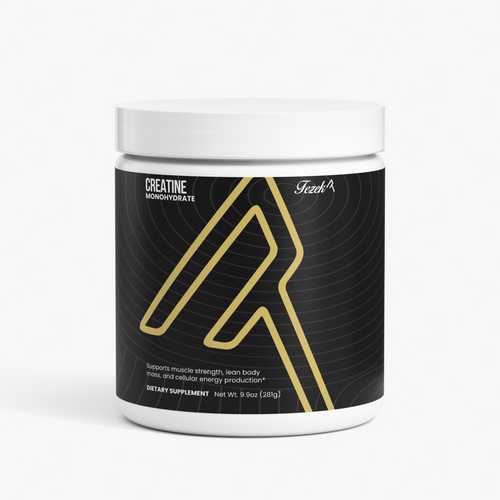
Creatine Monohydrate
Creatine enhances phosphocreatine stores, allowing for greater power output during short, explosive efforts.
- Loading phase: 20″?g per day split into 4 doses for 5-7 days (optional).
- Maintenance: 3-5″?g daily, taken with a carbohydrate source to improve uptake.
- Consistent use improves strength, sprint performance, and recovery of high-intensity intervals.
For practical implementation advice, Find out more about this approach.
Omega-3 Fatty Acids
EPA and DHA support inflammation control, joint health, and cognitive function, key factors for sustained training.
- Dosage: 1-3″?g of combined EPA/DHA daily.
- Prefer high-purity, molecularly distilled fish oil to minimize oxidation.
- Vegetarian alternatives (algal oil) provide comparable DHA levels.
More on integrating omega-3s into a sports nutrition regimen can be found by Discover expert strategies here.
Micronutrient and Hydration Support
Electrolyte Formulations
Maintaining electrolyte balance prevents cramping, supports nerve transmission, and sustains fluid retention.
- Sodium (300-700″?mg per hour) is the primary driver for fluid retention during long sessions.
- Potassium, magnesium, and calcium should be included in proportion to sweat losses.
- Combine with carbohydrate sources for optimal absorption.
Vitamin D and Magnesium
Both nutrients influence muscle function and injury risk.
- Vitamin D: 1000-2000″?IU daily, especially for indoor athletes.
- Magnesium: 300-400″?mg daily, preferably as citrate or glycinate for better bioavailability.
For a comprehensive view of micronutrient optimization, Explore advanced guides and tips.
Timing and Stacking Strategies
Effective supplementation is not only about what is taken but also when. Strategic timing maximizes absorption and synergistic effects.
- Pre-Workout (30-60″?min): Caffeine, fast-acting carbs, and creatine (if not already saturated).
- During Exercise: Carbohydrate-electrolyte drink to sustain energy and hydration.
- Post-Workout (0-30″?min): Whey protein with a 3:1 carb-to-protein ratio, followed by omega-3s and vitamin D.
- Evening: Casein protein and magnesium to promote overnight recovery.
Stacking supplements, such as pairing caffeine with beta-alanine, can amplify performance benefits, but it is essential to monitor individual tolerance and avoid excessive stimulant load.
Choosing Quality Products
When selecting supplements, prioritize third-party testing, transparent ingredient labeling, and reputable manufacturing practices. Products that meet NSF Certified for Sport or Informed-Sport standards reduce the risk of contamination and ensure label accuracy.
For guidance on reputable brands and certification details, Learn about our tailored solutions.
Conclusion
Integrating sports nutrition supplements thoughtfully can transform training outcomes, providing the energy needed for peak performance and the nutrients required for rapid recovery. By focusing on evidence-based ingredients, appropriate dosing, and precise timing, athletes can achieve sustainable gains while minimizing injury risk. Continuous evaluation of individual response, coupled with high-quality products, ensures that supplementation remains a supportive pillar of any elite training program.