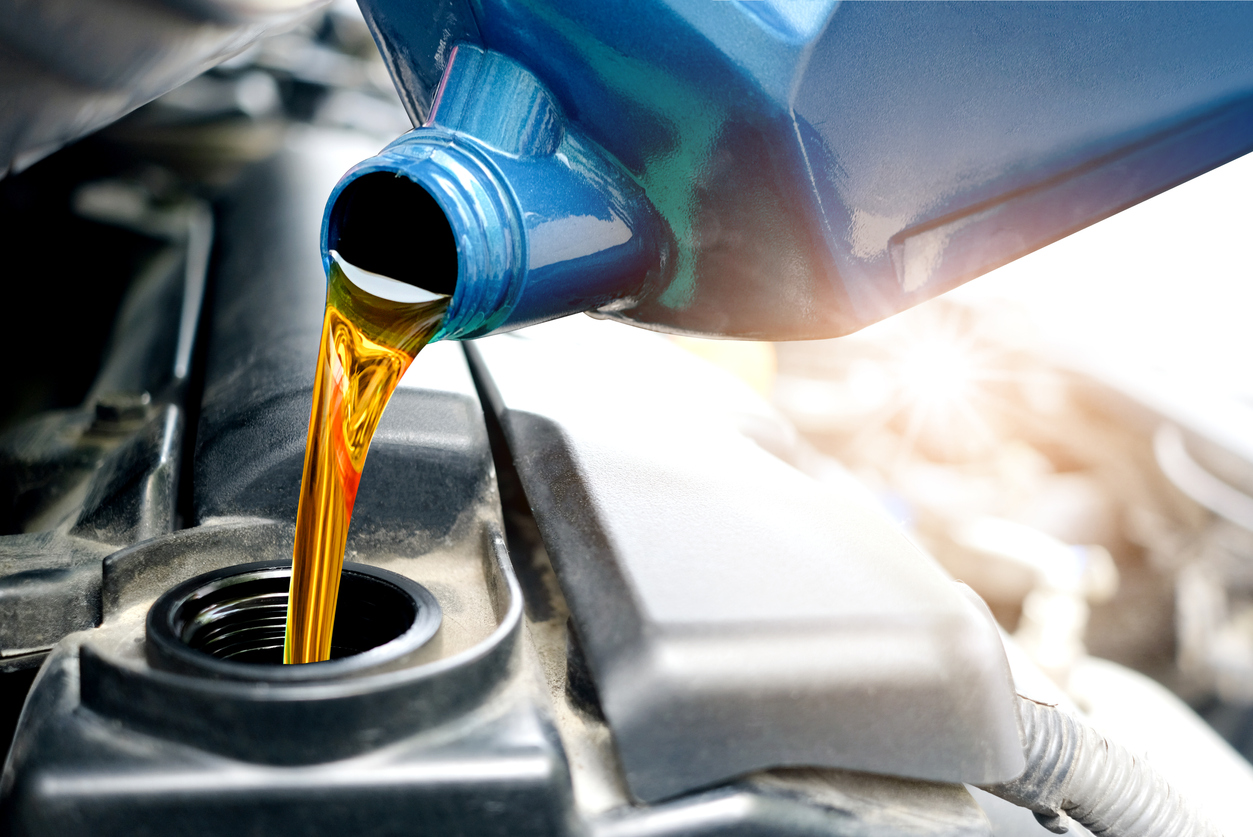
Regular oil changes are vital to maintaining the health and performance of a vehicle. Engine oil acts as a lubricant for the engine’s moving parts, reducing friction and preventing wear and tear. It also helps in cooling the engine, cleaning it, and preventing corrosion. Understanding the importance of timely oil changes and using the right type of oil can significantly enhance a vehicle’s performance and extend its lifespan.
The Importance of Regular Oil Changes
Adhering to a routine oil change schedule is crucial for ensuring optimal engine efficiency. Here are some key benefits:
- Improved Engine Performance: Fresh oil keeps the engine components well-lubricated, which minimizes friction and allows the engine to run more smoothly.
- Enhanced Fuel Efficiency: Clean oil reduces engine workload, leading to better fuel consumption.
- Prolonged Engine Life: Regular oil changes prevent the buildup of dirt and sludge, which can damage the engine over time.
- Decreased Emissions: New oil helps the engine operate more cleanly, reducing harmful emissions.
For more insights on how regular maintenance impacts vehicle longevity, discover expert strategies here.
Choosing the Right Oil for Your Vehicle
Using the correct type of oil is just as important as changing it regularly. Factors that influence the choice of oil include:
- Vehicle’s Make and Model: Different vehicles require different oil viscosities and types, such as synthetic or conventional oil.
- Driving Conditions: Extreme weather conditions or heavy-duty driving may necessitate a specific type of oil.
- Manufacturer’s Recommendations: Always refer to the vehicle’s manual for the manufacturer’s oil specifications.
Learn about our tailored solutions for choosing the right oil here.
Advanced Oil Change Techniques
Understanding Oil Change Frequency
While many vehicles traditionally required oil changes every 3,000 miles, advancements in engine technology and oil formulations now allow for longer intervals. However, the ideal frequency depends on:
- Vehicle Usage: Frequent short trips or heavy towing may require more frequent oil changes.
- Oil Type: Synthetic oils typically last longer than conventional oils.
- Engine Age: Older engines may benefit from more frequent oil changes to ensure proper lubrication.
To explore advanced guides and tips on oil change frequencies, explore advanced guides and tips.
Signs Your Vehicle Needs an Oil Change
Being aware of the signs that indicate the need for an oil change can prevent potential engine damage. Look out for:
- Dark, Dirty Oil: Regularly check the oil”?s color and consistency.
- Engine Noise: Increased friction due to insufficient lubrication can cause unusual engine noises.
- Oil Change Light: Many modern vehicles are equipped with sensors that alert drivers when an oil change is due.
For more detailed information on this approach, find out more about this approach.
Conclusion
Regular and expert oil change services play a vital role in maintaining a vehicle”?s performance and longevity. By understanding the importance of oil changes and selecting the right oil, vehicle owners can ensure their engines run smoothly and efficiently. Staying informed about the latest oil change techniques and adhering to recommended schedules will keep vehicles in top condition and help avoid costly repairs.