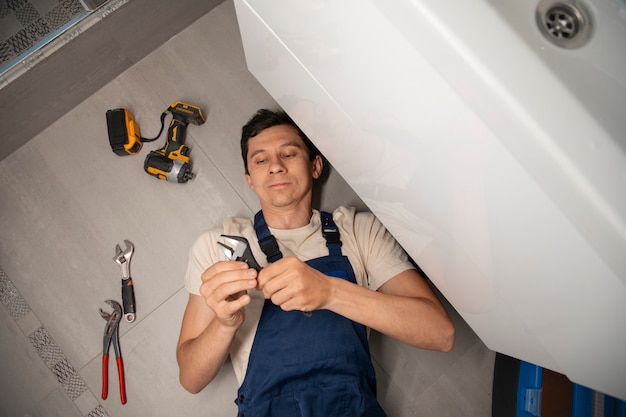
Regular bathroom plumbing inspections are an essential part of maintaining a healthy and functional home. Often overlooked until a problem arises, plumbing systems can benefit significantly from routine checks. These inspections not only help in identifying potential issues before they escalate into costly repairs but also ensure the longevity and efficiency of the plumbing system. By understanding the importance of these inspections, homeowners can take proactive steps to safeguard their property and avoid unexpected inconveniences.
Why Regular Inspections Matter
Regular plumbing inspections are crucial for several reasons:
- Early Detection of Issues: Inspections allow for the early detection of leaks, corrosion, and other potential problems that could lead to more significant damage.
- Cost Savings: Addressing minor issues early can save homeowners from expensive repairs in the future.
- Water Efficiency: Ensuring that the plumbing system is in good working condition can lead to better water efficiency and reduced utility bills.
- Safety and Health: Regular checks can prevent health hazards associated with mold and mildew, often caused by undetected leaks.
For homeowners looking to maintain their plumbing systems effectively, it is advisable to discover expert strategies here.
Components of a Comprehensive Plumbing Inspection
Pipes and Fittings
Pipes are the backbone of any plumbing system. An inspection will typically include:
- Checking for any signs of corrosion or rust.
- Ensuring that fittings are secure and leak-free.
- Assessing the material and age of the pipes to determine if they need replacement.
Homeowners can learn about our tailored solutions for maintaining and upgrading these components.
Water Heaters
The water heater is a critical component that requires regular inspection:
- Checking the temperature and pressure relief valve.
- Inspecting for any signs of leaks or rust.
- Flushing the tank to remove sediment build-up, which can affect efficiency.
To find out more about this approach, consider consulting advanced guides tailored to your specific water heater setup.
Drains and Sewer Lines
Clogged drains and sewer lines can cause significant disruptions:
- Inspecting for any blockages or slow drains.
- Using cameras for a more detailed inspection of sewer lines.
- Ensuring that all connections are secure.
Homeowners can explore advanced guides and tips for managing and maintaining these areas effectively.
How Often Should Inspections Be Conducted?
The frequency of plumbing inspections can vary based on several factors:
- Age of the Plumbing System: Older systems may require more frequent checks.
- Usage Patterns: Homes with high water usage might need more regular inspections.
- Past Issues: If a home has a history of plumbing problems, more frequent inspections could be beneficial.
It is generally recommended that inspections be conducted annually, but more frequent checks might be necessary depending on specific conditions. Learn about our tailored solutions to determine the best schedule for your home.
Conclusion
Regular bathroom plumbing inspections are an investment in the safety, efficiency, and longevity of a home’s plumbing system. By ensuring that potential issues are identified and addressed early, homeowners can prevent costly repairs and maintain a comfortable living environment. Whether it involves checking pipes, water heaters, or drains, each component plays a vital role in the overall health of the plumbing system. To ensure the best results, consider consulting with experts who can provide comprehensive evaluations and maintenance strategies. For further information, find out more about this approach and how it can benefit your home.