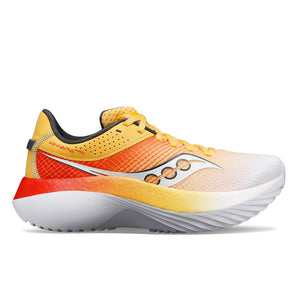
Choosing the right pair of running shoes can significantly impact your performance and comfort. Whether you’re a seasoned marathon runner or a casual jogger, the correct footwear can prevent injuries and enhance your running experience. With numerous options available, selecting the best running shoes can be overwhelming. This guide aims to simplify the process by providing detailed insights to help you make an informed decision.
Understanding Your Running Needs
Before diving into specific shoe features, it’s essential to understand your unique running needs. Different shoes are designed for various running styles, surfaces, and distances. Consider the following factors:
- Running Surface: Determine whether you’ll be running on roads, trails, or tracks.
- Foot Type: Identify if you have flat feet, high arches, or a neutral arch to find shoes with appropriate support.
- Distance: Consider the typical distance of your runs, whether it’s short sprints or long-distance marathons.
- Frequency: Reflect on how often you run, as regular runners may require more durable shoes.
Key Features of the Best Running Shoes
Cushioning
Cushioning is crucial for shock absorption, especially for long-distance runners. The level of cushioning can vary based on personal preference and running style. Explore advanced guides and tips to find shoes that provide the right balance between comfort and performance.
Support and Stability
Stability features are vital for runners who overpronate or have a tendency for their feet to roll inward. Look for shoes with medial posts or reinforced midsoles that offer the necessary support. Discover expert strategies here to ensure your shoes offer adequate stability.
Breathability
Proper ventilation prevents your feet from overheating, reducing the risk of blisters and discomfort. Mesh uppers or perforated designs can enhance breathability. Learn about our tailored solutions for breathable running shoes that maintain comfort during intense sessions.
Durability
Durability is key for those logging high mileage. Shoes crafted with high-quality materials are essential for longevity. Find out more about this approach and uncover durable options that withstand the rigors of frequent training.
Choosing the Right Fit
A perfect fit is non-negotiable when it comes to running shoes. It’s important to:
- Measure Your Feet: Foot size can change over time, so it’s wise to measure regularly.
- Try Shoes on Later in the Day: Feet tend to swell throughout the day, so fitting in the evening can offer a more accurate size.
- Wear the Right Socks: Try on shoes with the type of socks you usually wear while running.
Making the Final Decision
After considering all these factors, it’s time to make your choice. Pay attention to how the shoes feel during trial runs and be prepared to try multiple pairs before finding the perfect one. Remember, the best running shoes are those that cater to your specific needs, ensuring comfort, support, and performance.
To further assist with your decision-making process, explore advanced guides and tips on selecting the most suitable running shoes for your lifestyle and objectives.
Selecting the right running shoes is a personal journey that requires attention to detail and an understanding of individual requirements. By considering these factors and utilizing resources available online, you can enhance your running experience and achieve your fitness goals with confidence.