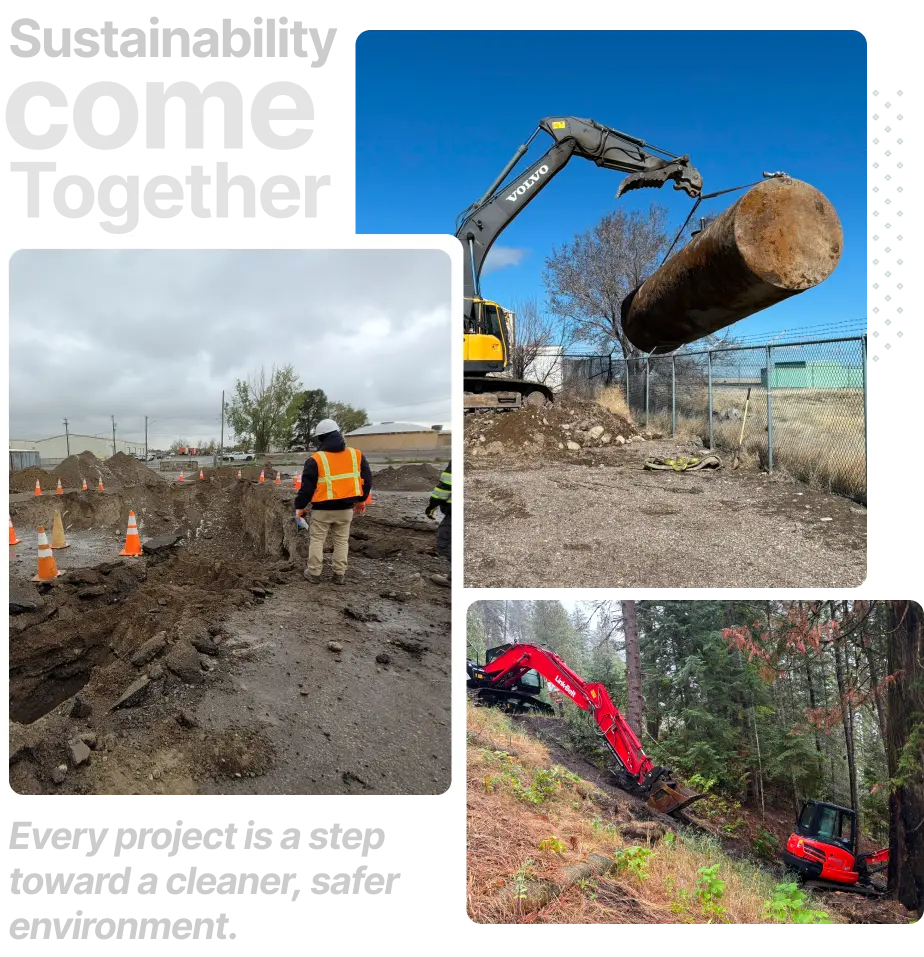
As the demand for sustainable water resources continues to rise, effective groundwater supply evaluations have become a cornerstone for water resource management. These evaluations are critical for understanding groundwater availability, quality, and sustainability. This article delves into the essentials of conducting reliable groundwater supply evaluations, their significance in resource management, and the tools and methodologies employed in the process.
The Importance of Groundwater Supply Evaluations
Groundwater is a vital component of the world’s freshwater resources, serving as a primary source for agricultural, industrial, and domestic needs. Reliable groundwater evaluations are essential because they:
- Ensure sustainable water supply for current and future needs.
- Help in planning and managing water resources efficiently.
- Identify potential contamination and propose remediation strategies.
- Support policy-making and regulatory compliance.
To learn more about the importance of these evaluations, discover expert strategies here.
Methodologies for Groundwater Evaluation
Data Collection and Analysis
Comprehensive data collection and analysis form the backbone of any groundwater evaluation. Key aspects include:
- Hydrogeological Surveys: Understanding geological formations and aquifer properties.
- Water Quality Testing: Identifying contaminants and assessing water quality standards.
- Remote Sensing and GIS: Using technology to map and analyze groundwater distribution.
For a detailed exploration of these methodologies, learn about our tailored solutions.
Modeling and Simulation
Advanced modeling and simulation tools help predict groundwater behavior under various scenarios. These tools assist in:
- Simulating groundwater flow and contaminant transport.
- Assessing the impact of climate change on water resources.
- Designing sustainable groundwater management plans.
Explore advanced guides and tips to understand how modeling and simulation enhance groundwater evaluations.
Challenges and Solutions in Groundwater Evaluation
While groundwater evaluations are essential, they come with challenges that need to be addressed:
- Data Scarcity: Limited data can hamper accurate evaluations.
- Technological Limitations: Access to advanced tools and technologies can be restricted by costs.
- Regulatory Hurdles: Navigating complex regulations requires expertise and experience.
Find out more about this approach to overcoming these challenges and implementing effective groundwater management strategies.
Conclusion
Groundwater supply evaluations are an indispensable part of water resource management. They provide the necessary insights and tools to manage and sustain groundwater resources effectively. By leveraging advanced technologies and methodologies, it is possible to overcome existing challenges and ensure a reliable water supply for the future. For those seeking to delve deeper into the intricacies of groundwater management and to adopt efficient strategies, exploring professional resources and expert guidance is recommended.