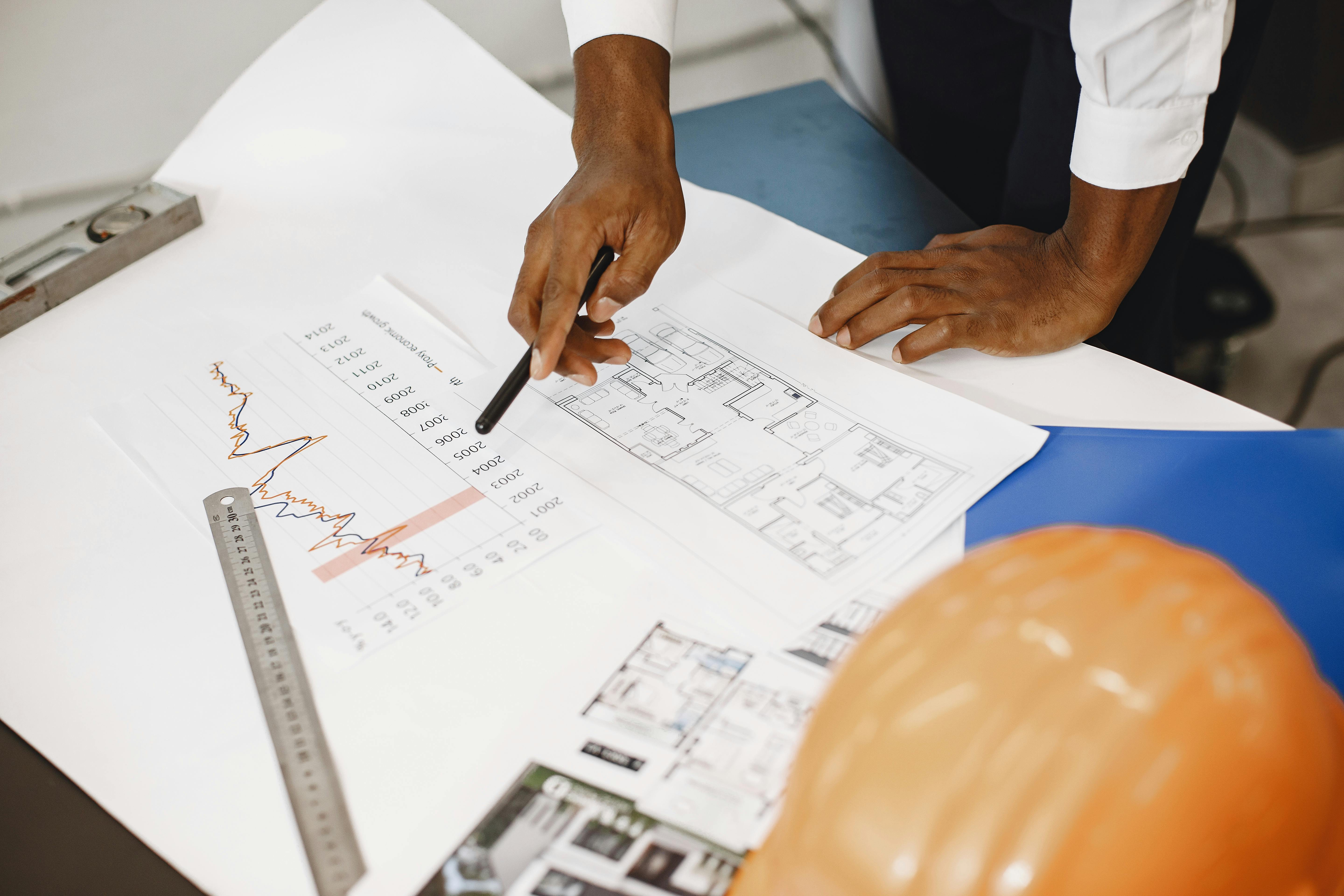
In the construction industry, efficient planning is crucial to the successful completion of projects. With the complexity of tasks, timelines, and resources, utilizing effective construction planning tools can significantly streamline operations and enhance productivity. From scheduling software to resource management applications, these tools play a vital role in ensuring that every aspect of a construction project is meticulously organized and executed. As technology continues to evolve, the availability of sophisticated tools provides opportunities to optimize project outcomes, reduce costs, and minimize delays.
The Importance of Construction Planning Tools
Construction planning tools are indispensable for project managers and teams aiming to maintain control over various project elements. These tools offer numerous benefits, such as:
- Improving project scheduling accuracy by enabling precise time allocation for each task.
- Enhancing resource management by tracking equipment, materials, and labor.
- Facilitating communication and collaboration among team members.
- Providing real-time data insights for informed decision-making.
- Identifying potential risks and developing mitigation strategies.
By leveraging these advantages, construction professionals can ensure that projects are delivered on time and within budget. Read more about this topic.
Types of Construction Planning Tools
Scheduling Software
Scheduling software is a fundamental component in construction planning, allowing project managers to create detailed timelines, allocate resources, and track progress. These tools often come with features such as Gantt charts and critical path analysis, which help visualize project timelines and identify dependencies. Learn more in this detailed guide.
Resource Management Tools
Effective resource management is critical to the success of any construction project. Resource management tools help in tracking the availability and utilization of resources, including labor, equipment, and materials. This ensures that resources are optimally allocated and reduces the risk of shortages or overuse. Explore further insights here.
Collaboration Platforms
In construction projects, seamless communication and collaboration among stakeholders are essential. Collaboration platforms provide a centralized space for team members to share documents, communicate in real-time, and manage project updates. These platforms help in maintaining transparency and ensuring that all team members are aligned with project objectives. Find additional information here.
Implementing Construction Planning Tools Effectively
To maximize the benefits of construction planning tools, it is essential to implement them effectively. Here are some strategies to ensure successful implementation:
- Conduct thorough research to choose tools that align with project requirements and organizational goals.
- Train team members on the functionalities and features of the selected tools to ensure efficient usage.
- Regularly update and maintain the tools to keep up with project changes and technological advancements.
- Integrate tools with other systems for seamless data flow and improved project coordination.
- Monitor and evaluate the performance of the tools to identify areas for improvement.
By following these strategies, construction professionals can enhance their planning processes and achieve better project outcomes. Learn more in this detailed guide.
Conclusion
Construction planning tools are essential for managing the complexities of modern construction projects. By leveraging these tools effectively, project managers can improve scheduling accuracy, enhance resource management, and facilitate collaboration among teams. As the industry continues to evolve, staying informed about the latest advancements in construction planning tools will be crucial for maintaining a competitive edge. For further reading on construction planning tools, explore further insights here.