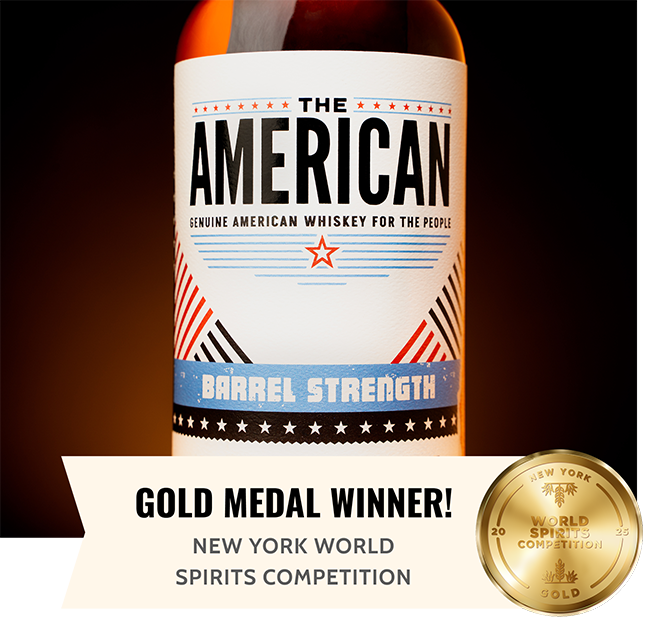
In the world of spirits, rare whiskey collections hold a distinctive allure for connoisseurs and collectors alike. These collections represent not just a passion for fine liquor, but an appreciation for history, craftsmanship, and patience. As the interest in rare whiskey continues to grow, understanding the nuances of collecting becomes imperative. This article will delve into the intricacies of rare whiskey collections, offering insights into what makes these spirits unique and how enthusiasts can begin or enhance their own assemblages.
Understanding What Makes Whiskey Rare
Not every whiskey earns the title of ‘rare.’ Several factors contribute to its rarity, including:
- Age: Older whiskies, especially those aged for decades, are typically considered rare due to their limited availability and the complexity of flavors developed over time.
- Production: Limited edition releases or those produced by distilleries no longer in operation add to the rarity.
- Region: Certain regions, known for specific styles of whiskey, can produce highly sought-after bottlings.
- Packaging and Design: Unique bottles and packaging can enhance a whiskey’s collectibility.
For those eager to delve deeper into the elements that define whiskey rarity, discover expert strategies here.
Building a Rare Whiskey Collection
Starting or expanding a whiskey collection requires careful consideration and strategy. Here are some steps to guide enthusiasts:
Research and Education
A thorough understanding of whiskey history, types, and market trends is crucial. Engage with resources that offer advanced guides and tips on whiskey collection.
Defining Your Focus
Collectors should define their focus, whether it be a particular distillery, region, or type. This focus allows collectors to build a cohesive and meaningful collection.
Networking with Other Collectors
Networking provides opportunities to exchange knowledge and potentially acquire rare bottles. Many collectors find value in joining whiskey tasting events and forums.
Evaluating the Value of Rare Whiskeys
Determining the value of a rare whiskey involves considering several factors:
- Market Demand: High demand can significantly increase a whiskey’s value.
- Condition: The state of the bottle and packaging plays a vital role in value assessment.
- Provenance: A well-documented history adds credibility and value.
For more detailed insights on evaluating whiskey value, find out more about this approach.
Preservation and Storage
Proper storage is essential to maintain the quality and value of rare whiskeys. Consider the following tips:
- Temperature Control: Store bottles in a cool, consistent environment to prevent spoilage.
- Light Exposure: Keep bottles away from direct sunlight to avoid damaging the whiskey.
- Positioning: Store bottles upright to prevent the cork from drying out and affecting the seal.
To learn about tailored solutions for whiskey storage, learn about our tailored solutions.
With the right approach and knowledge, a rare whiskey collection can be a source of personal enjoyment and an investment for the future. For enthusiasts looking to deepen their understanding or seek guidance, explore advanced guides and tips on whiskey collection and preservation.