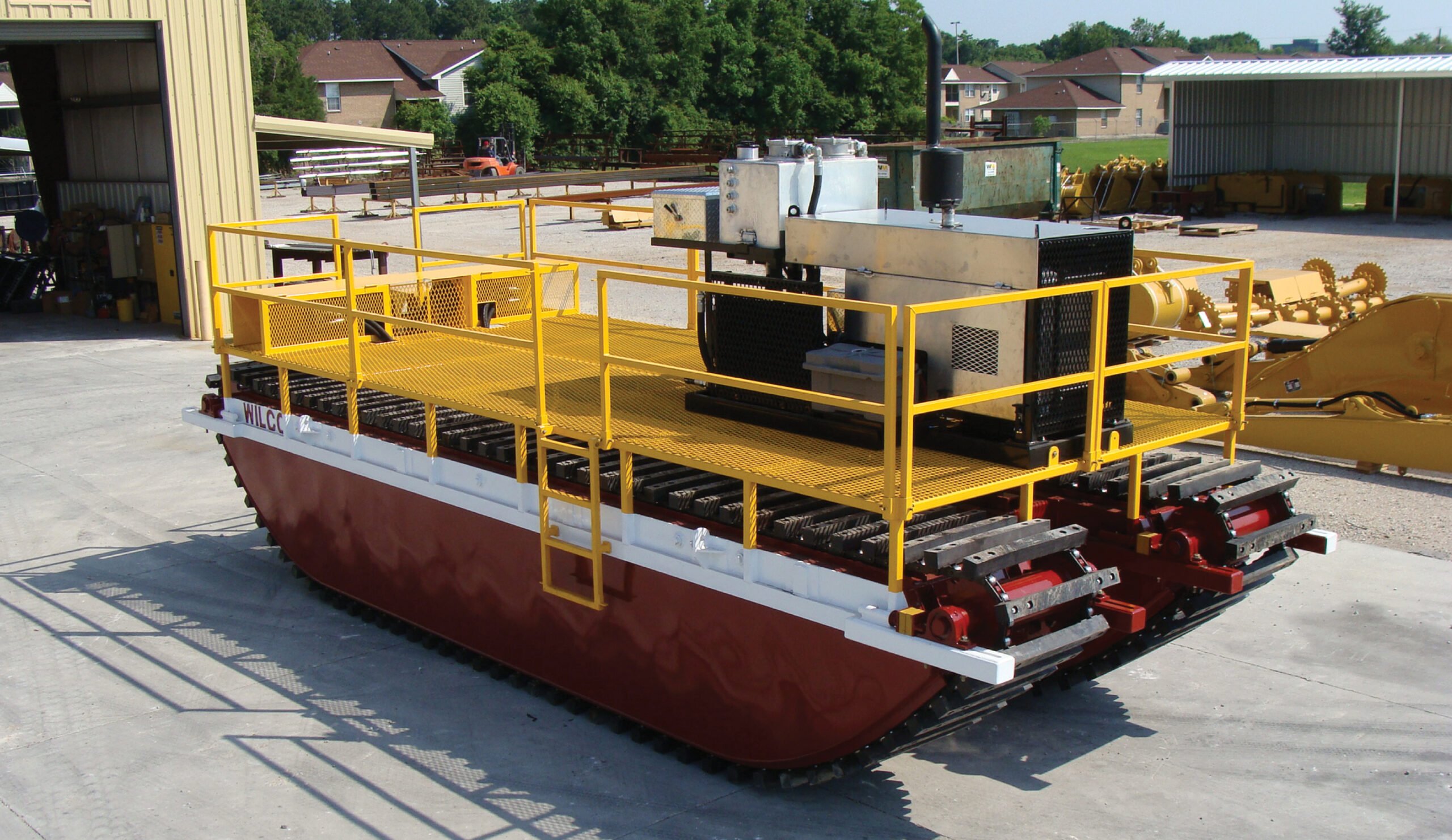
Amphibious equipment manufacturing stands at the intersection of engineering innovation and environmental necessity. It involves the creation of machinery capable of operating efficiently on both land and water, addressing unique challenges posed by varying terrains. This niche field requires a deep understanding of multiple engineering disciplines, robust material science, and a commitment to sustainable development. The manufacturing process is not just about building machines; it’s about crafting tools that enhance human capability while preserving the delicate balance of ecosystems.
Understanding Amphibious Equipment
Amphibious equipment is designed to perform tasks in environments where traditional machines would struggle. These machines are vital in sectors such as:
- Construction: For projects in marshlands or riverbanks where conventional equipment cannot operate.
- Environmental Management: Used in projects like wetland restoration and erosion control.
- Disaster Response: Essential in flood-prone areas to aid in rescue and relief operations.
The complexity of designing such equipment is significant. Engineers must account for factors like buoyancy, propulsion, and stability in both terrestrial and aquatic environments. To explore advanced guides and tips, visit this resource.
Key Components of Amphibious Equipment Manufacturing
Innovative Design
The design phase is critical in amphibious equipment manufacturing. Engineers employ cutting-edge technologies such as CAD software to create models that simulate real-world conditions. This stage involves:
- Prototyping: Building scaled versions to test performance.
- Simulation: Using virtual environments to foresee operational challenges.
- Customization: Tailoring designs to meet specific client needs and environmental conditions.
Discover expert strategies here.
Material Selection
Choosing the right materials is paramount. The materials must withstand harsh environmental conditions while maintaining optimal functionality. Key considerations include:
- Durability: Materials that can endure prolonged exposure to water and varying temperatures.
- Weight: Lightweight materials to aid buoyancy without compromising strength.
- Corrosion Resistance: Essential for components frequently in contact with water.
Learn about tailored solutions here.
Challenges in Amphibious Equipment Manufacturing
The manufacturing of amphibious equipment presents several challenges:
- Regulatory Compliance: Adhering to stringent environmental and safety standards.
- Technological Integration: Incorporating the latest technologies while ensuring compatibility and reliability.
- Cost Management: Balancing high-quality production with cost-effectiveness.
Find out more about this approach here.
The Future of Amphibious Equipment
As the demand for sustainable and versatile machinery grows, the future of amphibious equipment manufacturing looks promising. Innovations such as autonomous and remotely-operated machines are on the horizon, set to revolutionize the field. Embracing these advancements will require continuous learning and adaptation.
Explore advanced guides and tips for the future development of these technologies here.
In conclusion, amphibious equipment manufacturing is a dynamic and evolving industry. It requires a blend of innovation, sustainability, and technical expertise to meet the growing demands of diverse sectors. By understanding the intricacies of design, material selection, and overcoming industry challenges, manufacturers can craft equipment that not only meets but exceeds expectations.